
Biomechanical podiatry is about how you move. We assess gait, joint function and load to understand why pain or injury is happening, and then build a treatment plan that fits your goals, whether that is returning to sport, walking comfortably, or standing through a long workday.
Podiatry
Biomechanical Assessment
Movement focused care for pain, injury and performance.
How you move
Care built around your movement
The appointment
What is involved
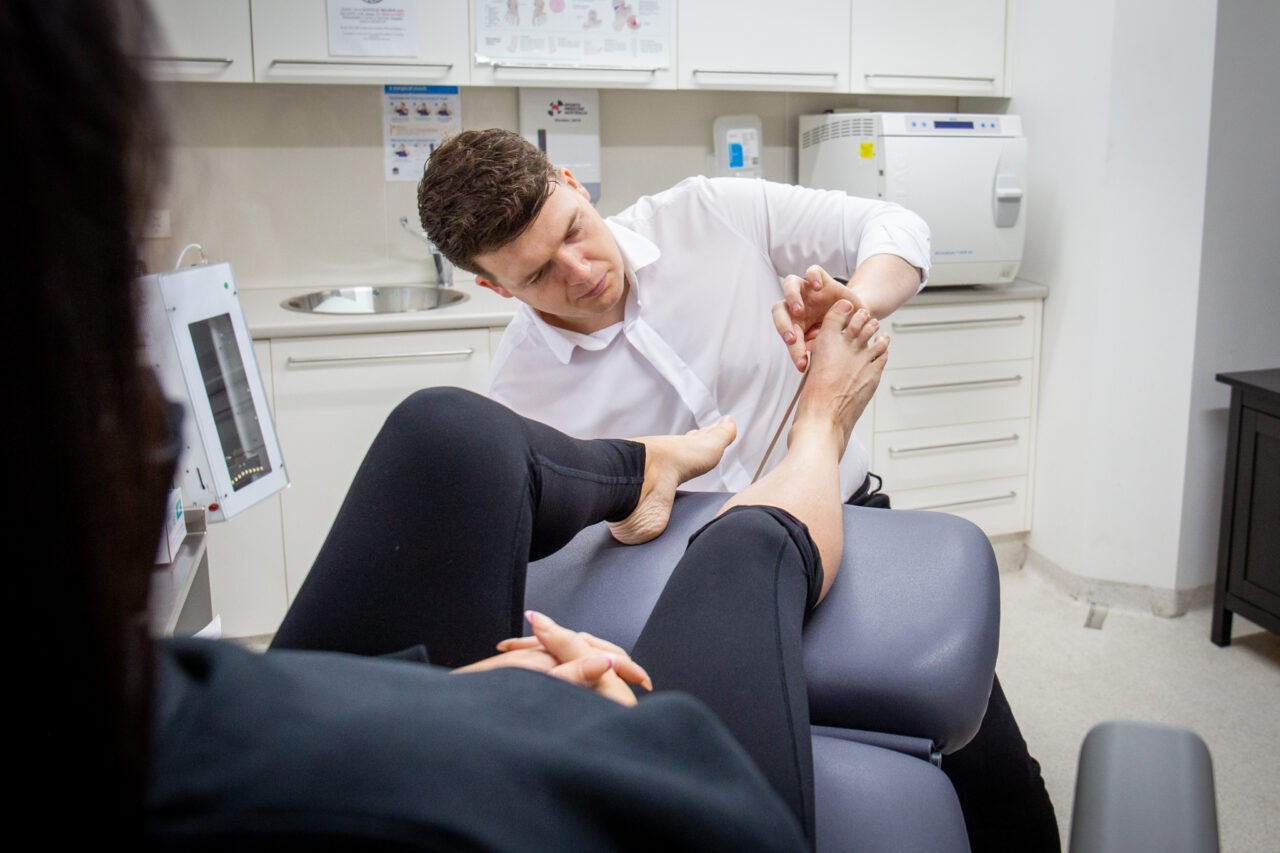
A biomechanical appointment generally runs a little longer than a general appointment, because the assessment is more detailed. We look at your movement, your footwear and any specific concerns, then talk through the options, which may include treatment in the clinic, orthotic therapy, footwear changes, strength and conditioning, or referral if appropriate.
Treatment options
Other biomechanical treatments
Shockwave therapy
For persistent tendon injuries and heel pain.
Dry Needling
To release tight muscles and reduce pain.
Prolotherapy
A non-surgical, alternative (glucose based) injection treatment designed to relieve chronic musculoskeletal pain and strengthen lax or damaged ligaments, tendons, and joints of the foot & ankle.
Footwear assessment
Practical advice on appropriate shoes for your activity and condition.
Sports & injury management
Assessment, treatment and rehabilitation guidance for sports and activity injuries.
Custom orthotics
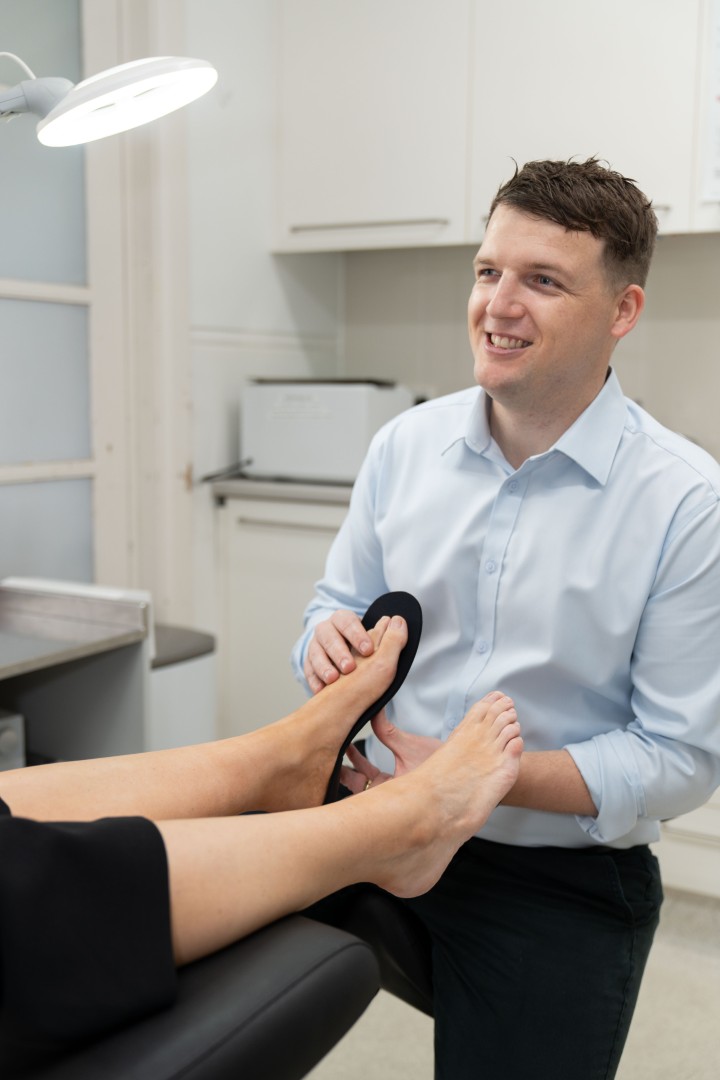
Designed specifically for your foot and your condition, allowing more targeted support and pressure relief, including offloading of areas such as the forefoot. Manufacturing takes around 2 to 4 weeks after your assessment.
Prefabricated orthotics
Premade orthotics that provide general support. They are suitable for many patients and are available immediately.
Related conditions
Conditions we treat here
Plantar Fasciitis / Heel Pain
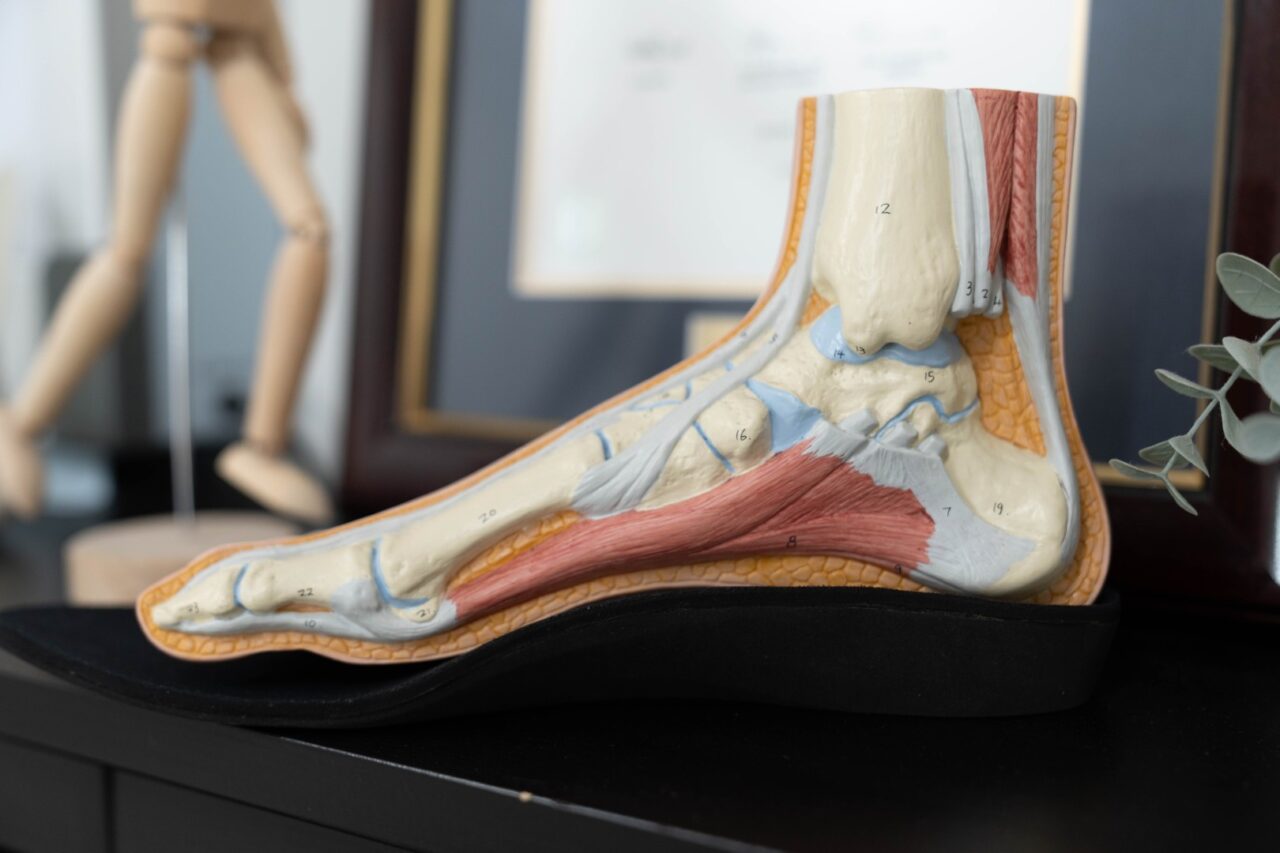
Heel pain from plantar fasciitis is one of the most common foot complaints we see. Without appropriate treatment, it can become a persistent problem that affects your daily activity.
Learn more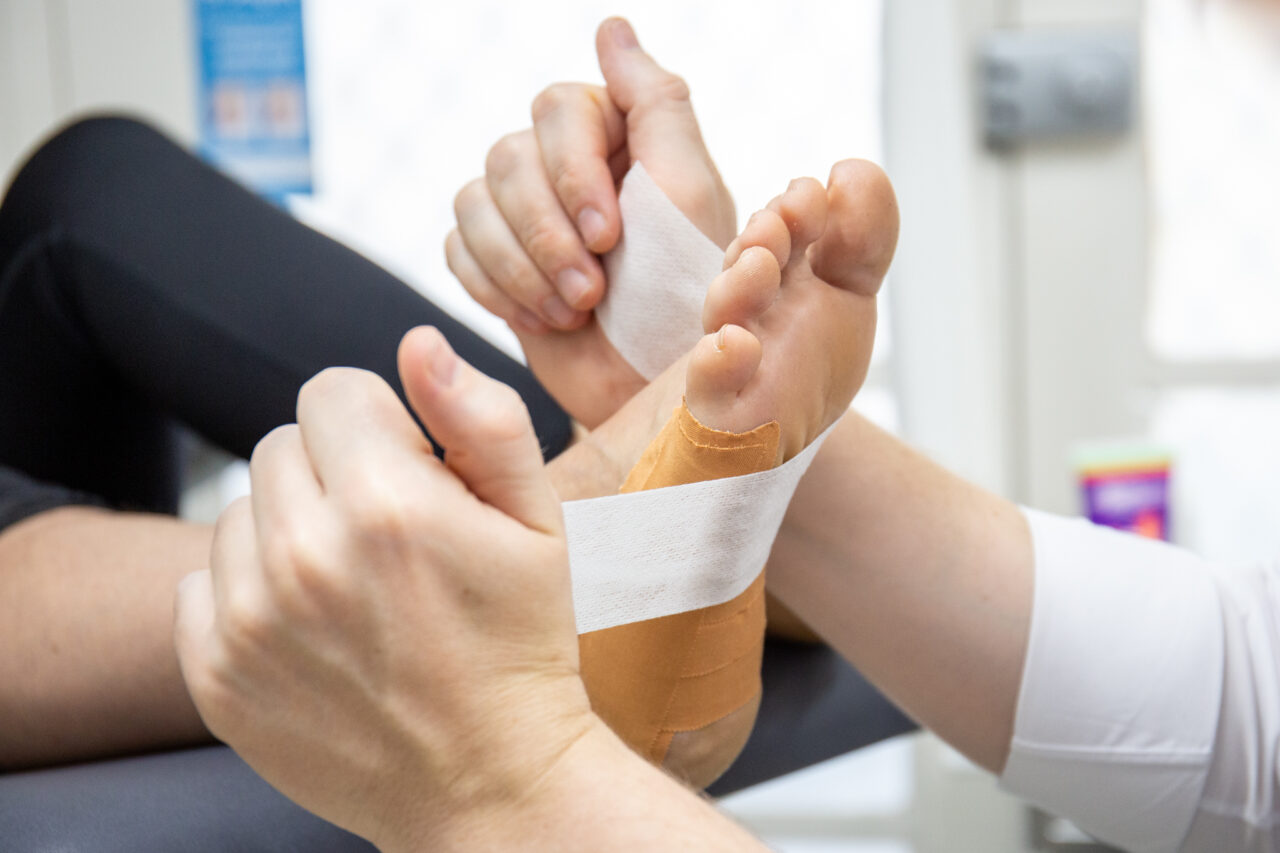
Flat Feet / Fallen Arches
Flat feet are more common than you might think, and not always a problem. When they are causing pain or affecting the way you move, there are effective treatment options.
Learn more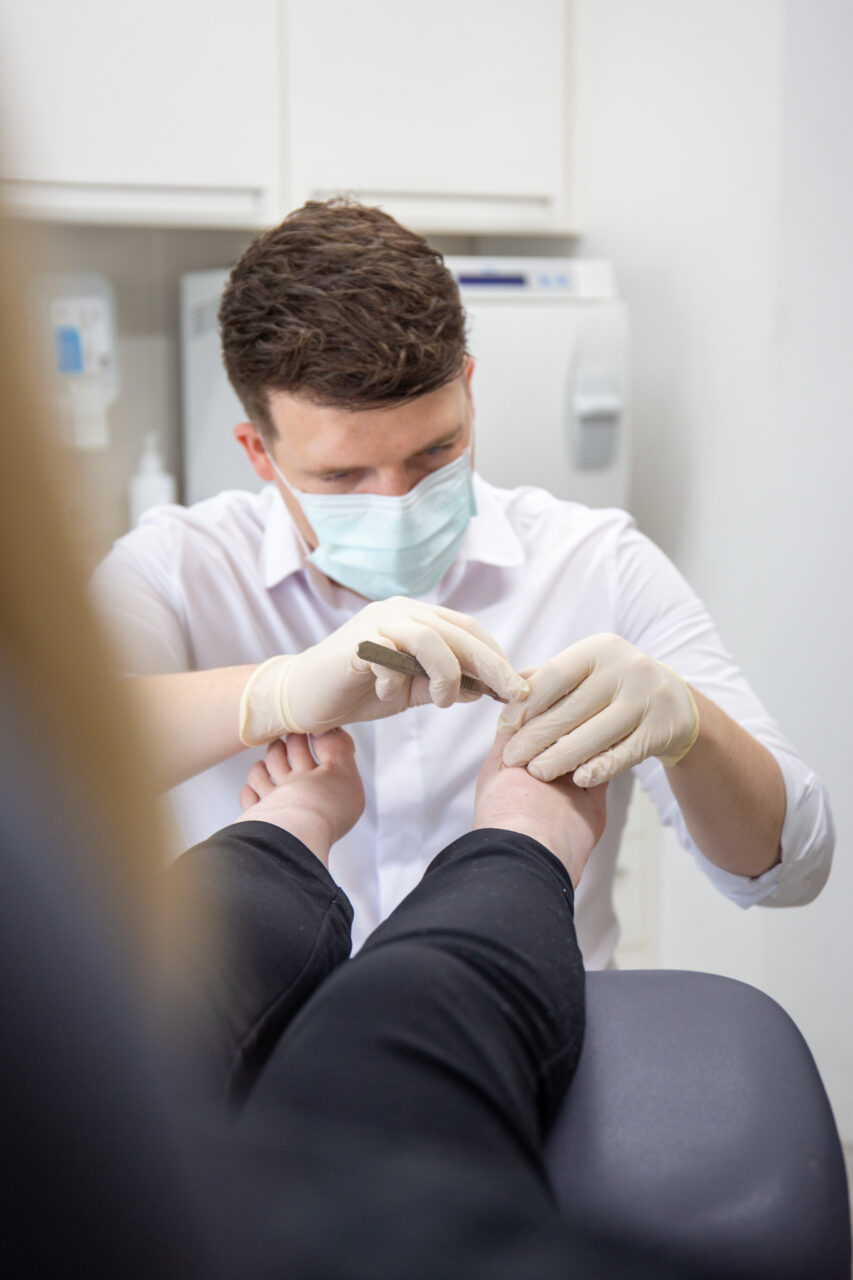
Bunions
A bunion is a bony prominence that develops at the base of the big toe. While it can look alarming, there is quite a lot we can do to manage symptoms and slow progression.
Learn moreFAQs
Common questions
Can you help with sports or activity related injuries?
Yes, we regularly treat a wide range of injuries affecting the foot, ankle, and lower limb. This includes both recent and long standing issues. We also incorporate strength and conditioning, load management, and rehabilitation to help you return to activity, whether that’s sport, work, or everyday tasks.
Do you treat heel pain?
Yes, heel pain is one of the most common conditions we treat. This includes plantar fasciitis, Achilles related conditions, bursitis, and growth related heel pain in children. We focus on identifying the cause and providing targeted treatment.
What is shockwave therapy?
Shockwave therapy is used for more persistent conditions. It works by delivering controlled pulses to the affected area to help stimulate healing, improve blood flow, and reduce pain. It’s commonly used for tendon injuries and heel pain.
What is dry needling?
Dry needling is used to release tight muscles and reduce pain. It involves using very fine needles to target specific areas within the muscle. This can help improve movement and reduce tension. Most patients tolerate it well, and any discomfort is usually brief.
What is prolotherapy?
Prolotherapy is a non-surgical, alternative (glucose based) injection treatment designed to relieve chronic musculoskeletal pain and strengthen lax or damaged ligaments, tendons, and joints of the foot and ankle.
We offer both traditional prolotherapy and Lyftogt prolotherapy.
This treatment is typically used for tendon, ligament, and chronic injury management.
Can you help with running or walking issues?
Yes, we regularly assess and treat both running and walking related concerns. This includes reviewing movement, improving technique, adjusting training load, and incorporating strength and conditioning to support long term outcomes. We also provide footwear advice suited to your activity.
Do you assess footwear? Should I bring my shoes?
Yes, footwear plays an important role in both assessment and treatment. We recommend bringing the shoes you wear most often. Our practitioners have strong experience in footwear and can guide you towards suitable options.
Do I need orthotics?
Not everyone requires orthotics, and their use varies from person to person. They can be helpful for reducing strain, improving movement, and redistributing pressure. In some cases they’re used short term, and in others as part of a longer term plan. We’ll assess whether they’re appropriate for you during your appointment.
What are orthotics and how do they work?
Orthotics are devices worn inside your shoes to support and guide the way your foot moves. They help reduce strain on tissues, improve alignment, and redistribute pressure, which can assist with pain relief and function.
What is the difference between custom and prefabricated orthotics?
Prefabricated orthotics are premade and provide general support. Custom orthotics are designed specifically for your foot and your condition. They allow for more targeted support and pressure relief, including specific offloading of areas such as the forefoot.
How long do orthotics last?
Orthotics typically last between 3 and 5 years. In many cases they can last longer, depending on use, activity level, and materials. Some components such as top covers may wear sooner and can be replaced.
How long does it take to get custom orthotics?
The process usually takes around 2 to 4 weeks. This includes your assessment and the time required for manufacturing by the orthotic laboratory.
Will orthotics fit in my shoes?
In most cases yes, particularly if your shoes have a removable insole. Some tighter or dress style shoes may not accommodate standard orthotics, and alternative options can be discussed if needed.
Book your visit
Got persistent pain or injury?
Book a biomechanical assessment online, or get in touch if you are not sure where to start.